
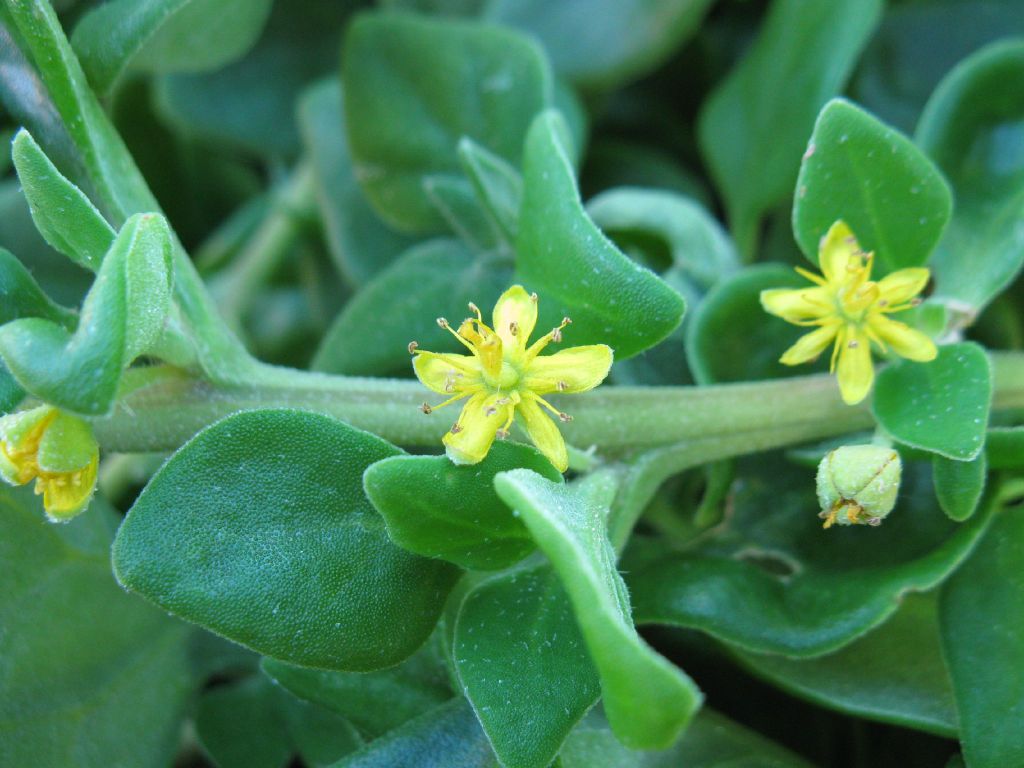
Bower Spinach | Tetragonia implexicoma
| Size of Plant: Spreading or scrambling groundcover Edible Part: Leaves Suggested use in cooking: Use the leaves as a leafy green in salads, stir-fries, pies and other dishes where spinach would normally be used. Blanching the leaves before eating or cooking is recommended. Fun Fact: A hardy coastal plant that can spread across the ground or scramble through surrounding plants. Cultural and historical note: Bower Spinach is an Australian native edible plant. Its leaves have been recorded for use fresh, steamed or as a substitute for spinach. |
|---|
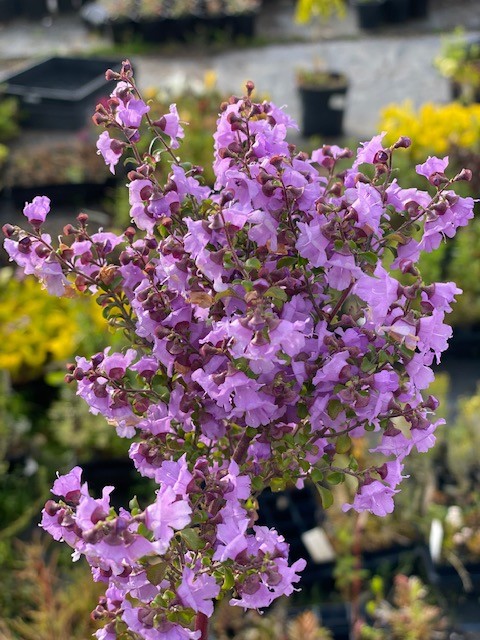
Native Mint Bush | Prostanthera sieberi ‘Minty™’
| Size of Plant: Small to medium shrub Edible Part: Aromatic leaves Suggested use in cooking: Use small amounts of the strongly scented leaves to flavour teas, herb breads, marinades, roasted vegetables and savoury dishes. Fun Fact: Brushing against the foliage releases a strong, fresh mint fragrance. Its spring flowers also attract bees, butterflies and other beneficial insects. Cultural and historical note: The species is valued for its strongly aromatic foliage and is grown as a native culinary and sensory plant. |
|---|
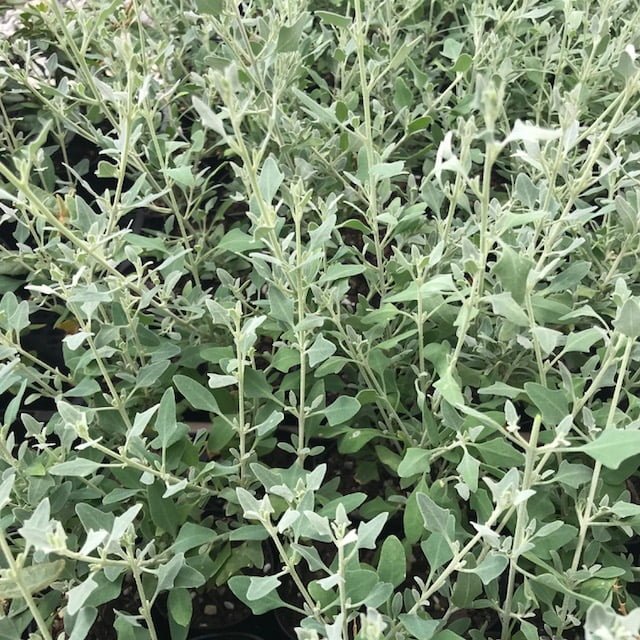
Creeping Saltbush | Rhagodia spinescens
| Size of Plant: Low groundcover Edible Part: Leaves Suggested use in cooking: Mild, salty taste. Cooked like spinach or use as a seasoning Fun Fact: Loves salty soil and hugs the ground like a green blanket! Traditional Use: Its salty leaves were cooked and eaten, used as a natural salt substitute, or included in dishes like salads and breads. The red berries were used as a dye, for making a sweet tea, and for personal adornment/decoration. |
|---|

Mountain Pepper | Tasmannia lanceolata
| Size of Plant: Tall shrub Edible Part: Leaves Suggested use in cooking: Peppery spice Fun Fact: Its leaves give a spicy punch — it’s Aussie pepper! Tip: dry the leaves in air fryer. Traditional Use: Use by Indigenous Australians include using it as a culinary spice for food and as a medicine to treat various ailments like skin disorders, digestive issues, and colic. It was also used in spiritual and cleansing ceremonies. |
|---|
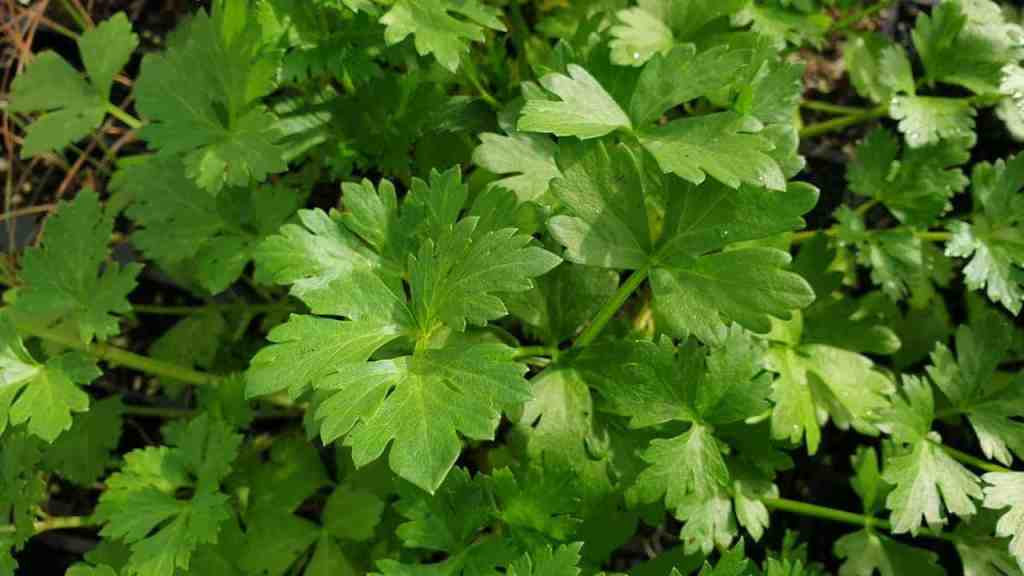
Native Sea Celery | Apium annuum
| Size of Plant: Small, low-growing herb Edible Part: Leaves and stems Suggested use in cooking: Use fresh or lightly blanched as a native alternative to celery. Add it to salads, soups, seafood dishes, chicken dishes or use as a garnish. Fun Fact: Native Sea Celery naturally grows in coastal environments and brings a distinctive salty, ocean-like flavour to cooking. Cultural and historical note: Native celery species have been used as edible coastal herbs. The leaves and stems can be harvested and used fresh or cooked. |
|---|
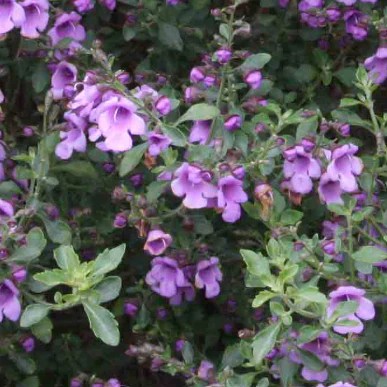
Native Thyme | Prostanthera incisa
| Size of Plant: Small to medium aromatic shrub Edible Part: Leaves Suggested use in cooking: Use the fresh or dried leaves to season meat, vegetables, sauces, breads and savoury dishes, or brew them as a fragrant herbal tea. Fun Fact: Crushing or brushing against the foliage releases a strong minty, thyme-like fragrance. Cultural and historical note: Native Thyme is an aromatic Australian mint bush that has been used as a flavouring herb and is now commonly grown for culinary, sensory and ornamental purposes. |
|---|
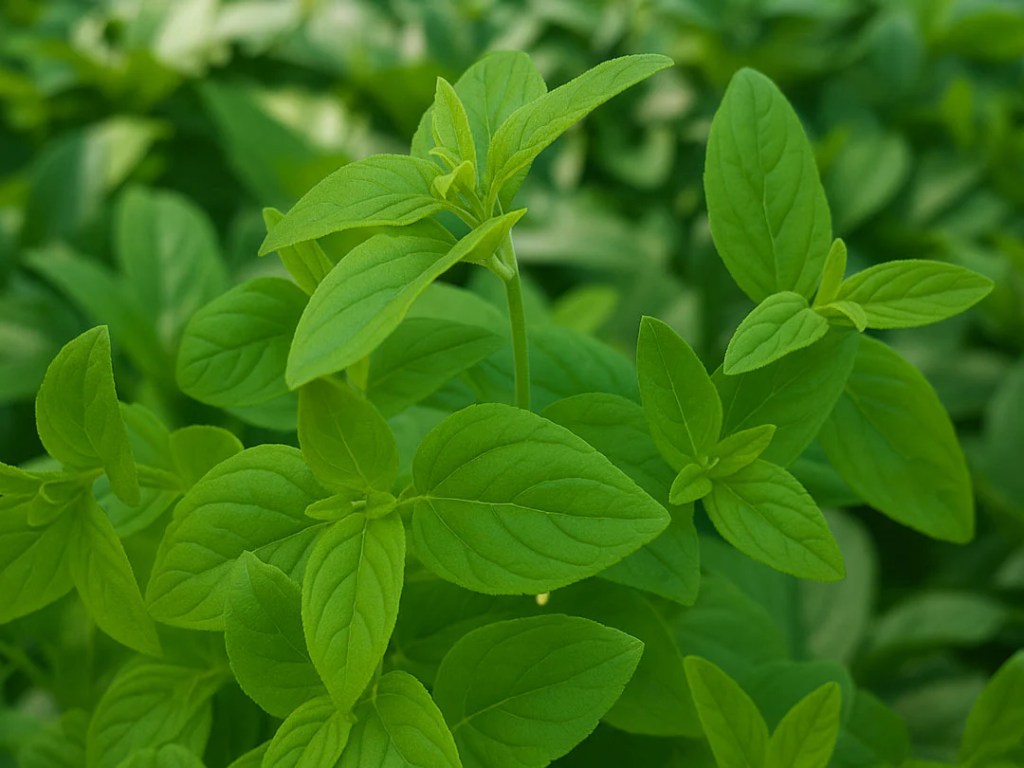
Native River Mint | Mentha australis
| Size of Plant: Groundcover Edible Part: Leaves Suggested use in cooking: Minty, refreshing taste. Tea, sauces, garnish. Fun Fact: Smells amazing and makes minty teas — like bush chewing gum! Traditional Use: Was used by Aboriginal people as a medicinal herb, for food, and as an insect repellent. It was brewed into teas for coughs and colds, and its crushed leaves were sniffed to relieve headaches. The leaves were also used fresh or dried in cooking, and rubbed on the skin as an insect repellent. |
|---|

Native Ginger (Red) | Alpinia caerulea (Red)
| Size of Plant: Clumping plant Edible Part: Shoots, berries Suggested use in cooking: Zesty, tangy taste. Stir-fry. Fresh or Cooked. Fun Fact: Its bright red berries are juicy surprises hiding in the bush! Traditional Use: The traditional use was for food, crafting, and shelter, primarily by Aboriginal peoples. The berries were eaten for their sweet, lemony pulp to moisten the mouth during walks, while the roots and young shoots were used as a spicy, ginger-flavored ingredient in savory dishes. The plant’s large leaves were traditionally used to wrap food for cooking in earth ovens, to thatch shelters, and as a flavoring during cooking. |
|---|
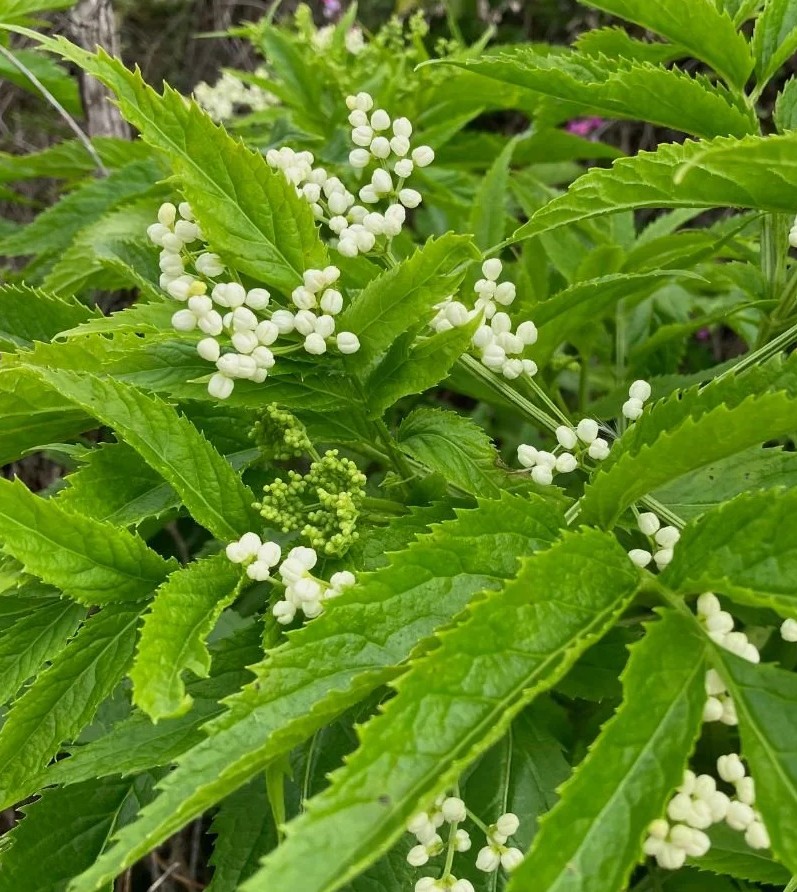
White Elderberry | Sambucus gaudichaudiana
| Size of Plant: Small herbaceous shrub Edible Part: Ripe white berries Suggested use in cooking: Eat the fully ripe berries fresh or use them in sauces, syrups, preserves and desserts. Fun Fact: Unlike many elderberries, this Australian native produces small pearly-white berries rather than dark purple fruit. Cultural and historical note: The ripe berries are edible and have a sweet-to-tart flavour. Only fully ripe fruit should be used. VicFlora records it as a widespread Victorian species of cool, shaded forests with edible white fruit. |
|---|
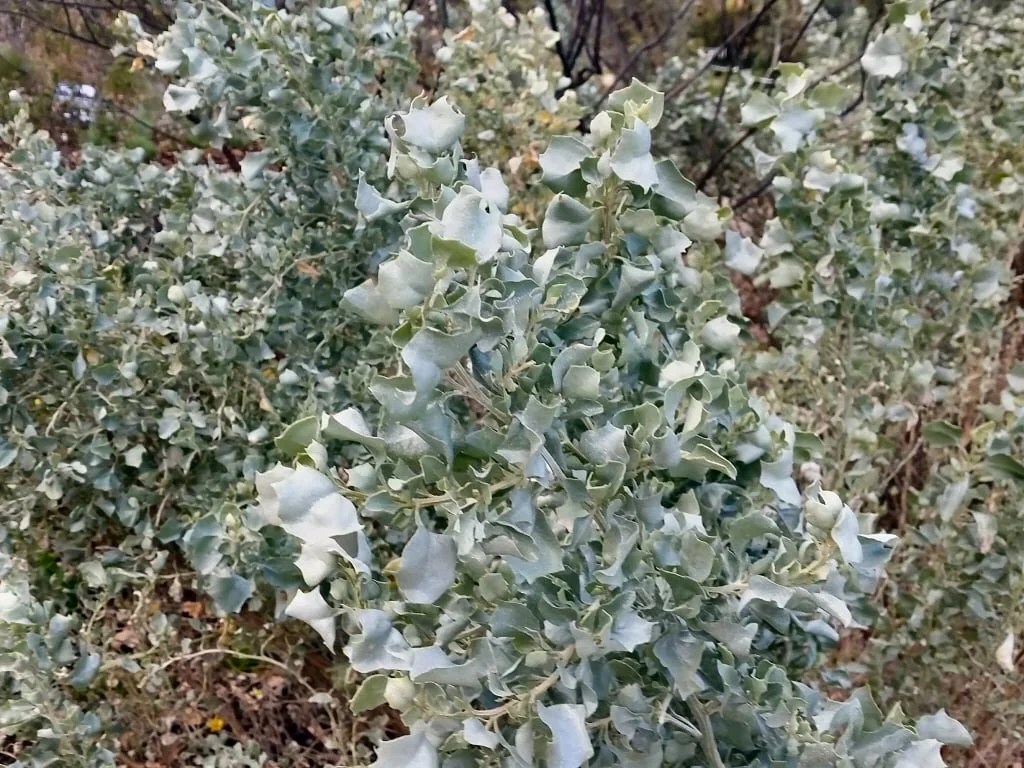
Old Man Saltbush | Atriplex nummularia
| Size of Plant: Medium shrub Edible Part: Leaves Suggested use in cooking: Earthy, salty taste. Wraps, stir-fry, seasoning. Fun Fact: Tough beachside plant that’s salty and proud! Traditional Use: Used by Indigenous Australians for food and medicine, while also serving as a windbreak, firebreak, and shade. The seeds were a food source, and the leaves could be eaten fresh or dried for use in various dishes. Medicinally, a decoction of the leaves and roots was used as a wash for skin abrasions. |
|---|

Warrigal Greens | Tetragonia tetragonioides
| Size of Plant: Groundcover Edible Part: Leaves Suggested use in cooking: Mild spinach like taste. Cooked like spinach. Fun Fact: Great in wraps or stir-fries — like salty spinach from the bush! Traditional Use: A spinach substitute since early European settlement, and a source of food in both Aboriginal and Maori cuisine. Medically, it has been used to combat scurvy, as a mild laxative, and in modern Korean medicine to treat digestive issues and inflammatory conditions. |
|---|
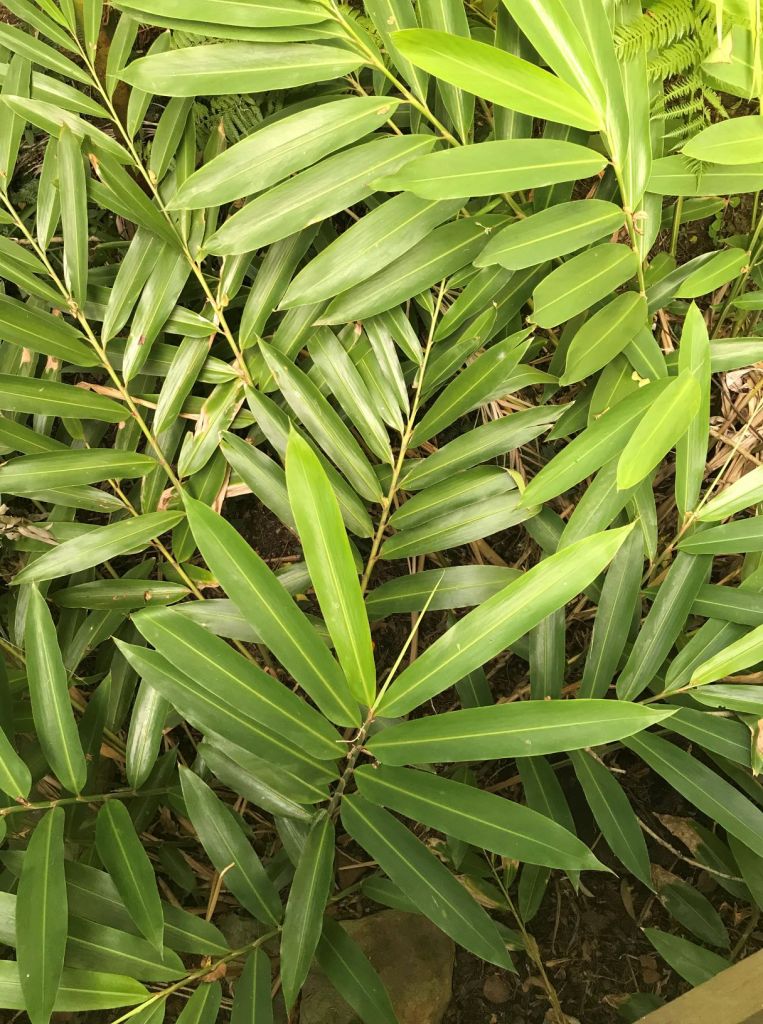
Native Ginger | Alpinia caerulea
| Size of Plant: Clumping plant Edible Part: Shoots, berries Suggested use in cooking: Mild, ginger taste. Steamed or fresh Fun Fact: Tastes like a gentle ginger with edible shoots and fruit! Traditional Use: The traditional uses include food, medicine, and construction by Aboriginal peoples. The edible, tangy pulp around the blue fruits was eaten for hydration, while the fibrous rhizomes and young shoots were eaten as a ginger substitute. Large leaves were used to wrap food for cooking in earth ovens and for thatching shelters. |
|---|
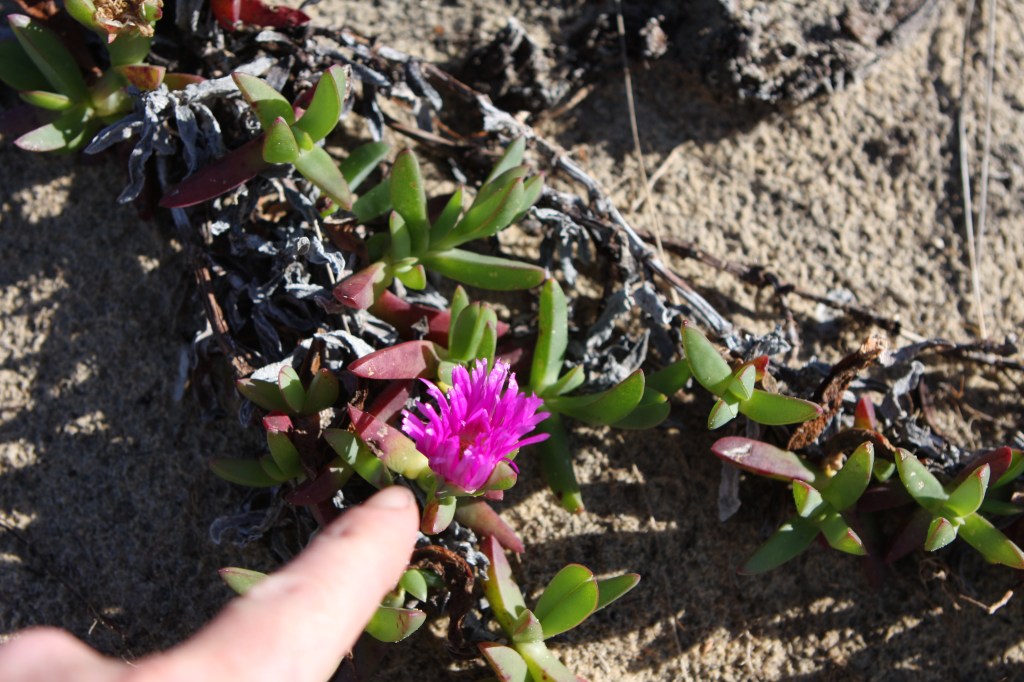
Native Pig Face | Carpobrotus rossii
| Size of Plant: Low, spreading succulent groundcover Edible Part: Fleshy leaves and the pulp of ripe fruit Suggested use in cooking: Use the fleshy leaves as a salty addition to salads or cooked dishes. When fruit is ripe, squeeze out the edible inner pulp and discard the outer skin. Fun Fact: Bright pink flowers attract bees and other insects, while its creeping stems help cover and protect the soil. Cultural and historical note: Also known as Karkalla, this coastal native has a history as an Aboriginal food plant. Its ripe fruit provides a sweet-salty seasonal harvest. |
|---|
Photo: J Brew, CC BY-SA 2.0, via Wikimedia Commons.
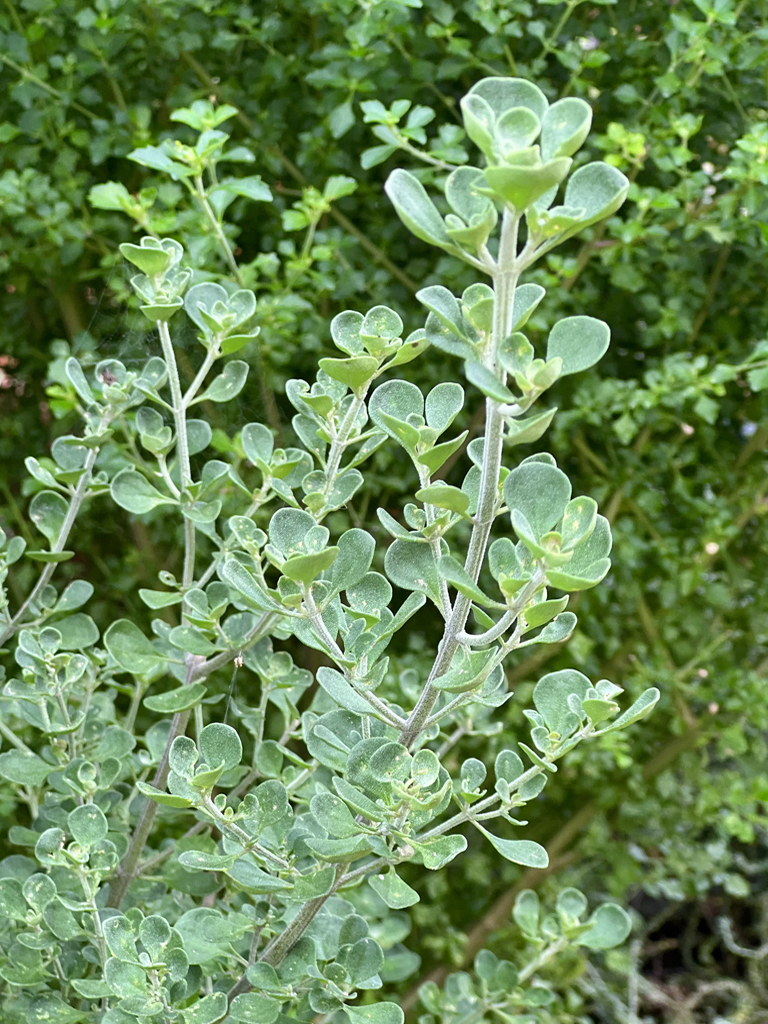
Native Oregano | Prostanthera rotundifolia
| Size of Plant: Small evergreen shrub, approximately 1.5 to 2 m tall Edible Part: Aromatic leaves Suggested use in cooking: Use small amounts of the fresh or dried leaves to season savoury dishes, sauces and salads, or steep them for a fragrant herbal tea. Fun Fact: Also called Round-leaf Mint Bush, it produces a colourful display of purple or pink flowers in spring. Cultural and historical note: This Australian mint bush is grown as a native culinary herb and ornamental plant. Its distinctive aroma makes it a useful addition to sensory and food gardens. |
|---|
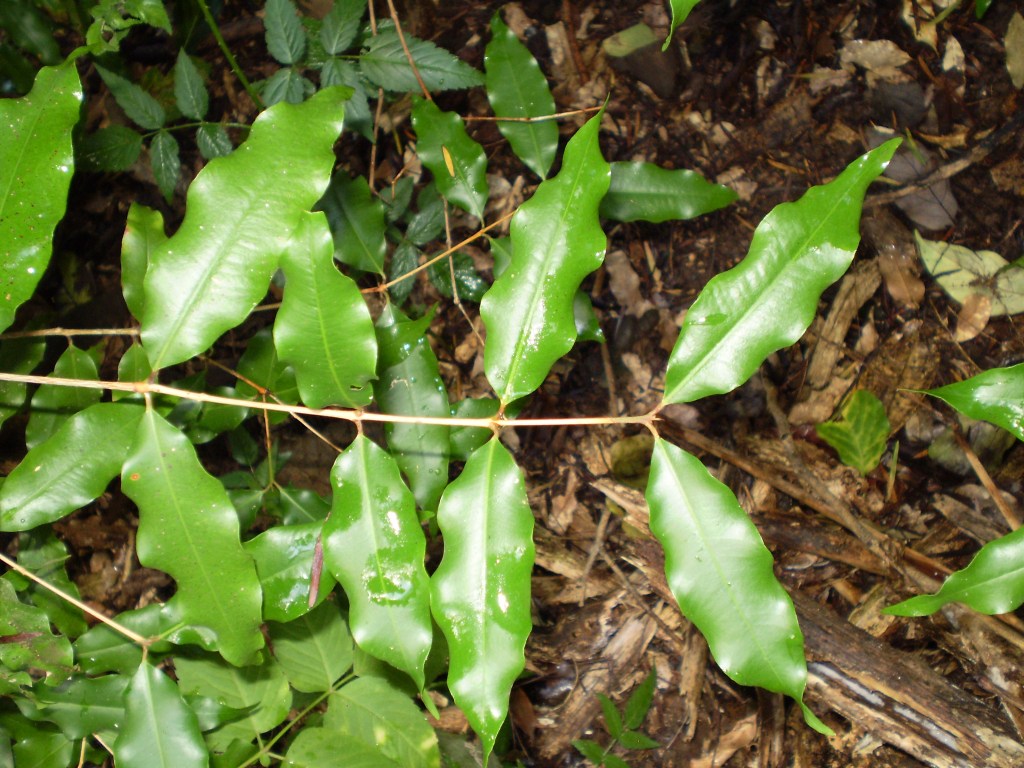
Anise Myrtle | Syzygium anisatum
| Size of Plant: Evergreen shrub or tree, commonly 3 to 8 m in gardens; can be kept smaller by pruning Edible Part: Aromatic leaves Suggested use in cooking: Use fresh or dried leaves to infuse tea, or finely grind dried leaves to flavour biscuits, breads, dressings and savoury dishes. Start with a small amount of this strongly flavoured herb. Fun Fact: Crushing the glossy leaves releases a distinctive aniseed aroma. Scented white flowers add seasonal interest. Cultural and historical note: Anise Myrtle is native to eastern Australian rainforest. Its aromatic foliage is grown as a native culinary herb, bringing aniseed flavour to contemporary cooking. |
|---|
Photo: John Moss, Public domain, via Wikimedia Commons. Display cropped to fit.


