
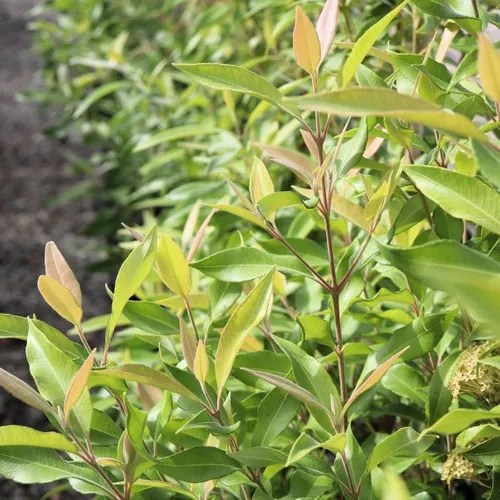
Lemon Myrtle | Backhousia citriodora
| Size of Plant: Small tree/shrub Edible Part: Leaves Suggested use in cooking: Strong lemony taste. Tea, baking, marinades Fun Fact: Leaves smell like lemon sherbet — one sniff and you’ll smile! Traditional Use: Traditionally, Indigenous Australians used lemon myrtle for culinary flavoring and as a bush medicine, including a paste from crushed leaves to heal wounds and a way to repel insects by burning the leaves. The leaves were used fresh or dried in cooking, and the essential oil, which is highly antimicrobial, was used in a variety of healing applications. |
|---|
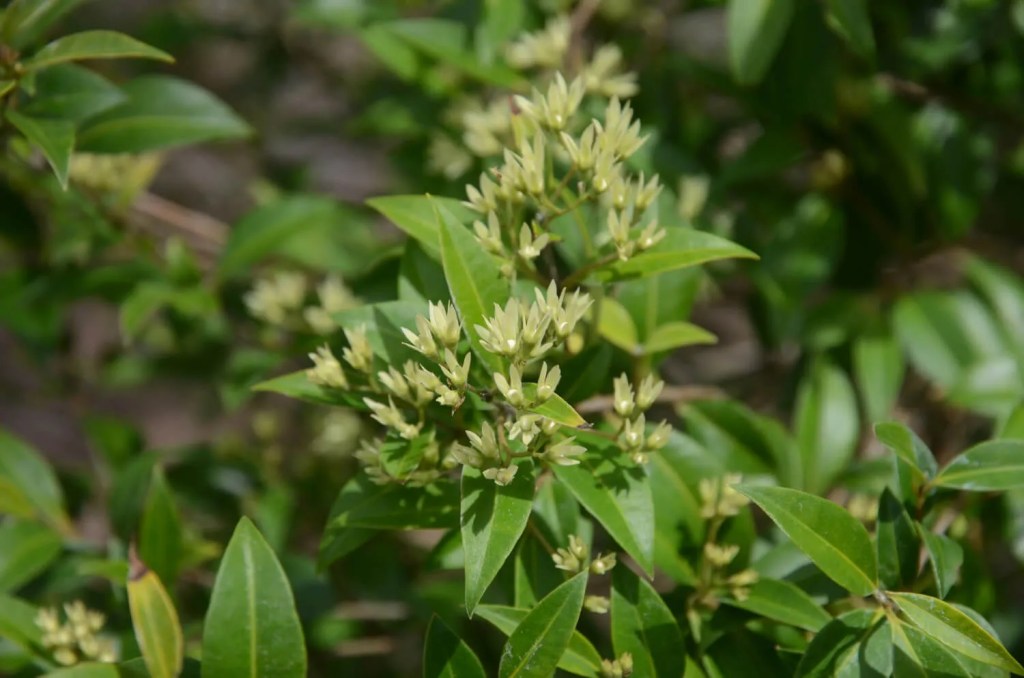
Cinnamon Myrtle | Backhousia myrtifolia
| Size of Plant: Medium shrub Edible Part: Leaves Suggested use in cooking: Cinnamon sweet taste. Tea, desserts, sauces. Fun Fact: Smells like cinnamon and grows happily in the Aussie shade Traditional Use: Traditionally, the Indigenous communities of Australia have used it for its medicinal properties, including treating microbial infections, dyspepsia, and colic. The strong, hard wood was also used for tools, boomerangs, and fishing rods. |
|---|
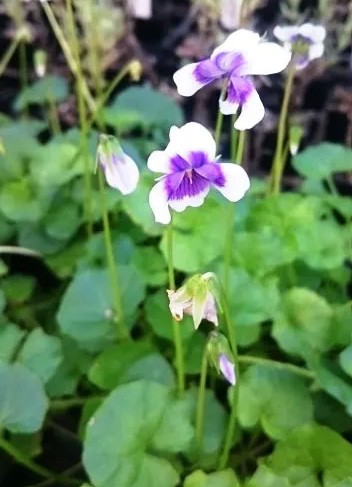
Native Violet | Viola hederacea
| Size of Plant: Low, spreading groundcover Edible Part: Flowers Suggested use in cooking: Use the delicate flowers as a colourful garnish for salads, desserts, cakes and drinks, or freeze them into ice cubes. Fun Fact: Native Violet spreads using slender above-ground stems, helping it form a soft living carpet in moist, sheltered areas. Cultural and historical note: Published Australian native-food references record the flowers as edible and suitable for use in salads or as a garnish. |
|---|
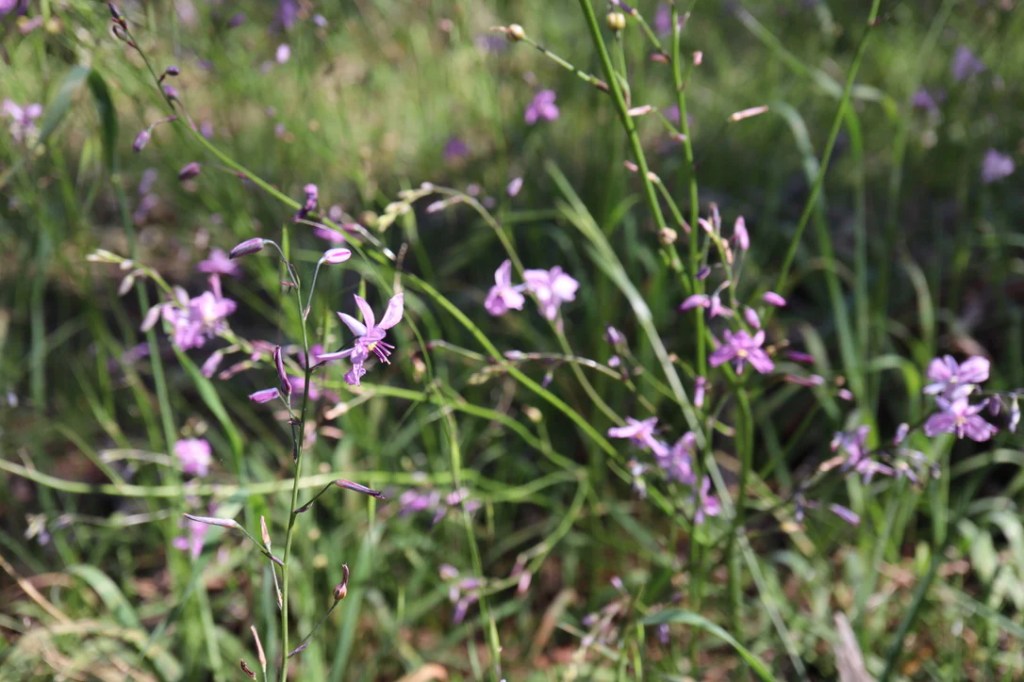
Chocolate Lily | Arthropodium strictum
| Size of Plant: Tufted perennial with grass-like leaves and upright flower stems Edible Part: Tubers, cooked Suggested use in cooking: Roast cultivated tubers before eating for their mild, nutty flavour. Leave some tubers to regrow after harvesting. Fun Fact: The mauve flowers have a distinctive chocolate scent. Cultural and historical note: Wurundjeri Woi-wurrung and Bunurong knowledge shared with the City of Melbourne describes roasting the tubers and maintaining the plant through careful harvesting and replanting. |
|---|

Vanilla Lily | Arthropodium milleflorum
| Size of Plant: tufted, grass-like perennial herb Edible Part: Tubers, flowers Suggested use in cooking: Sweet, mild taste. Tubers roasted, flowers edible. Cam be eaten raw or roasted. They are best harvested young, as they can become bitter with age. Fun Fact: Flowers smell sweet, and the roots are roasted like potatoes! Traditional Use: was as a food source, with the edible tubers eaten raw or roasted. The fragrant, edible flowers were sometimes used as a garnish or as a medicinal aid to cleanse the blood. |
|---|
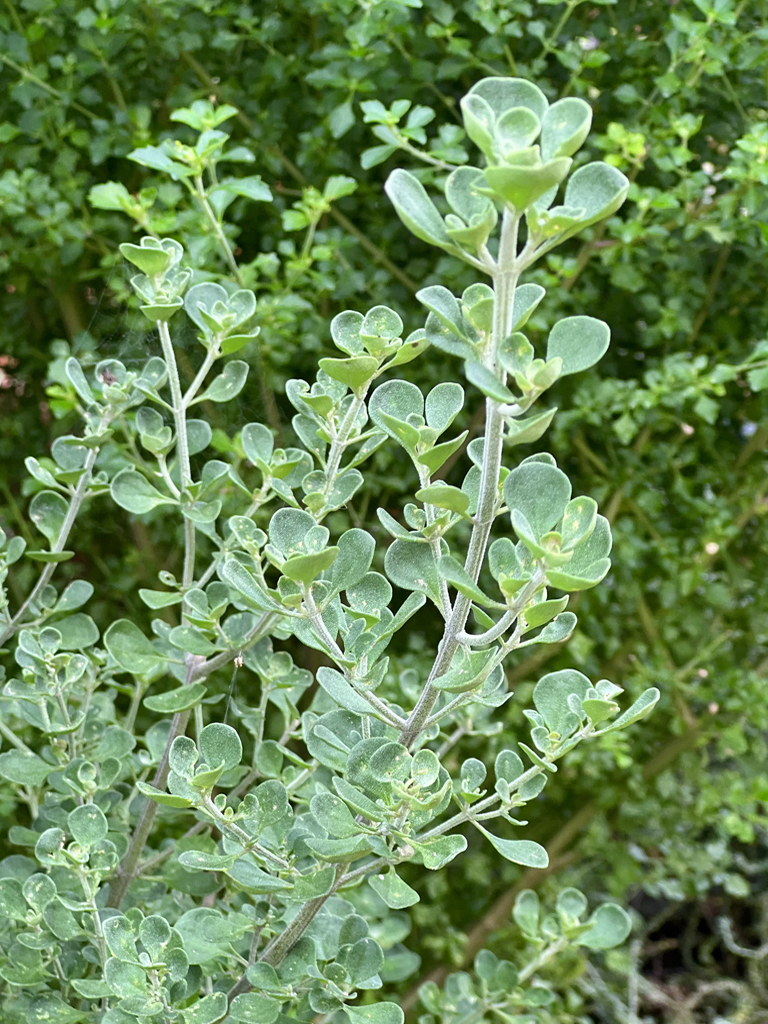
Native Oregano | Prostanthera rotundifolia
| Size of Plant: Small shrub Edible Part: Leaves Suggested use in cooking: Strong herb flavour. Use like oregano. Fun Fact: The leaves smell like pizza herbs — but they’re native! Traditional Use: Used by Indigenous Australians as a medicinal herb to treat headaches and colds. The aromatic leaves were also used to help clear a stuffy nose when crushed and smelled. It is now also used as a culinary herb and for its ornamental value. |
|---|
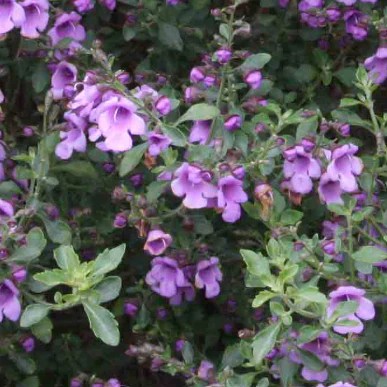
Native Thyme | Prostanthera incisa
| Size of Plant: Small to medium aromatic shrub Edible Part: Leaves Suggested use in cooking: Use the fresh or dried leaves to season meat, vegetables, sauces, breads and savoury dishes, or brew them as a fragrant herbal tea. Fun Fact: Crushing or brushing against the foliage releases a strong minty, thyme-like fragrance. Cultural and historical note: Native Thyme is an aromatic Australian mint bush that has been used as a flavouring herb and is now commonly grown for culinary, sensory and ornamental purposes. |
|---|
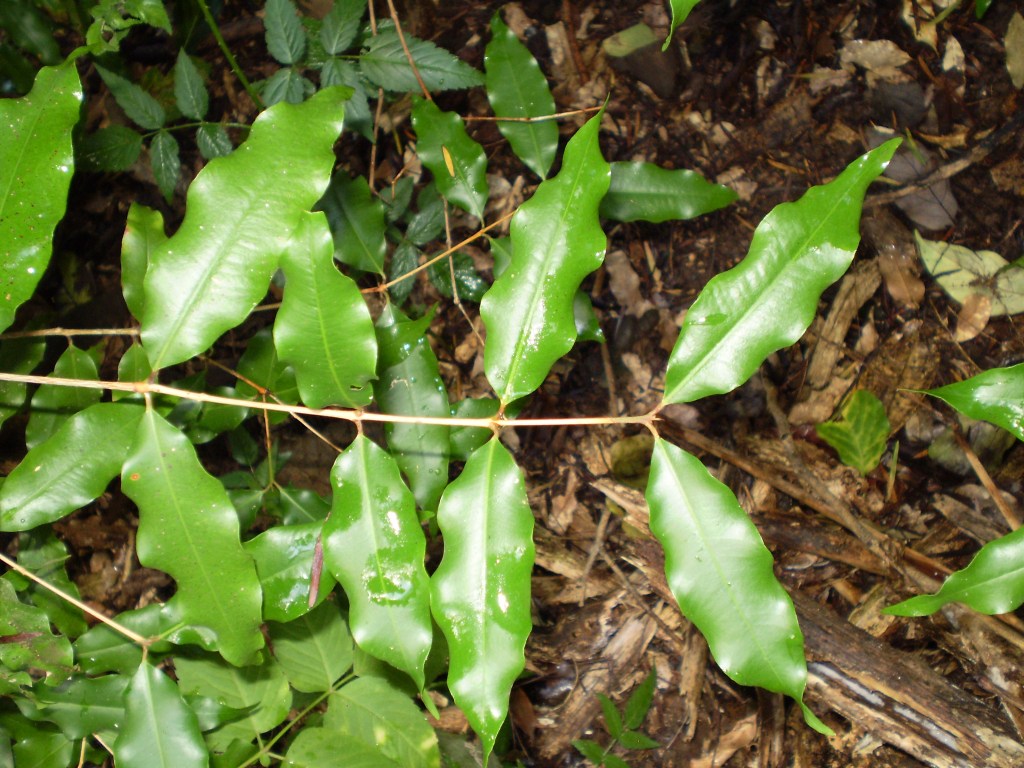
Anise Myrtle | Syzygium anisatum
| Size of Plant: Evergreen shrub or tree, commonly 3 to 8 m in gardens; can be kept smaller by pruning Edible Part: Aromatic leaves Suggested use in cooking: Use fresh or dried leaves to infuse tea, or finely grind dried leaves to flavour biscuits, breads, dressings and savoury dishes. Start with a small amount of this strongly flavoured herb. Fun Fact: Crushing the glossy leaves releases a distinctive aniseed aroma. Scented white flowers add seasonal interest. Cultural and historical note: Anise Myrtle is native to eastern Australian rainforest. Its aromatic foliage is grown as a native culinary herb, bringing aniseed flavour to contemporary cooking. |
|---|
Photo: John Moss, Public domain, via Wikimedia Commons. Display cropped to fit.
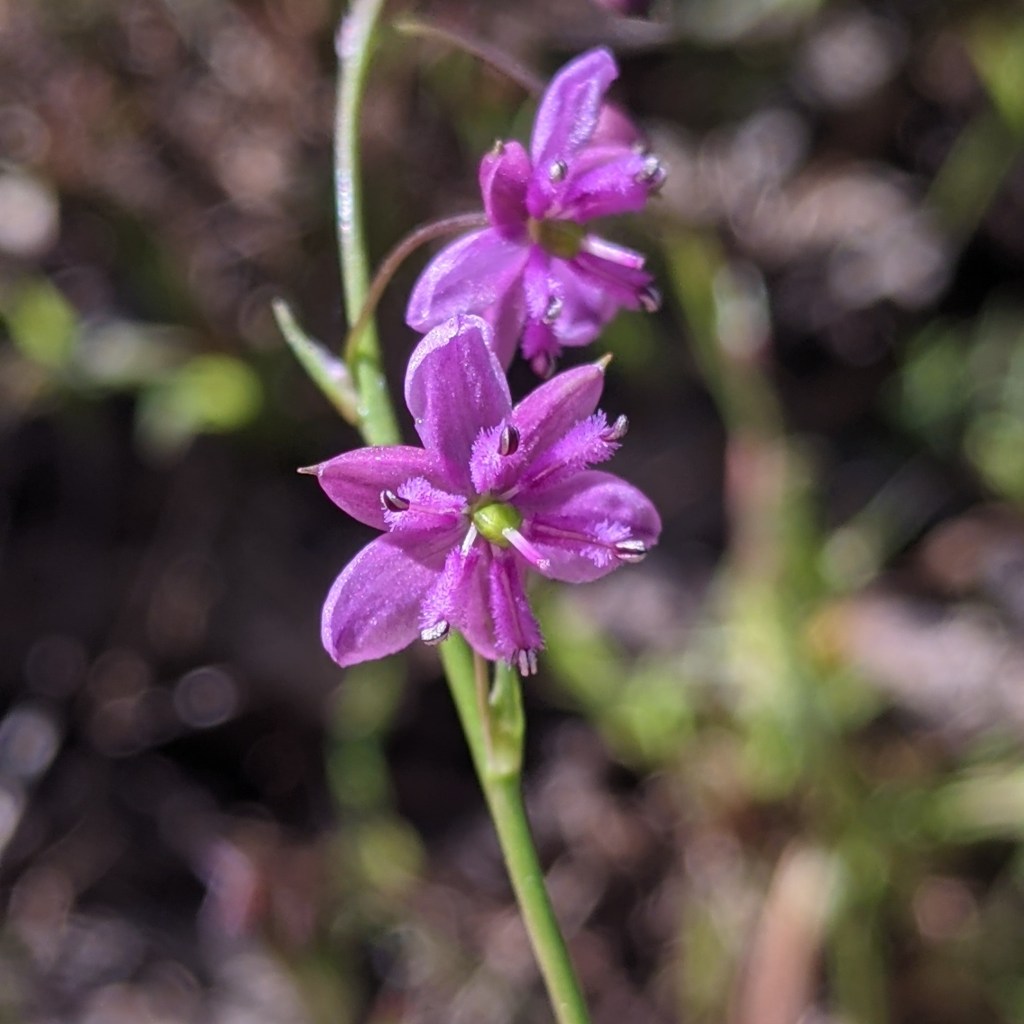
Small Vanilla-Lily | Arthropodium minus
| Size of Plant: Small tufted perennial, up to approximately 50 cm tall Edible Part: Underground tubers Suggested use in cooking: Cook cultivated tubers as a small root vegetable, for example by roasting. Harvest from plants grown for food, leaving some tubers to regrow. Fun Fact: Its fine, grass-like leaves may wither before the delicate mauve flowers appear. Cultural and historical note: Australian National Botanic Gardens plant-use records describe the edible tubers of Small Vanilla-Lily and related native lilies. These plants offer a connection to Aboriginal food knowledge and the underground harvest of grasslands and woodlands. |
|---|
Photo: B 897, CC BY-SA 4.0, via Wikimedia Commons. Display cropped to fit.
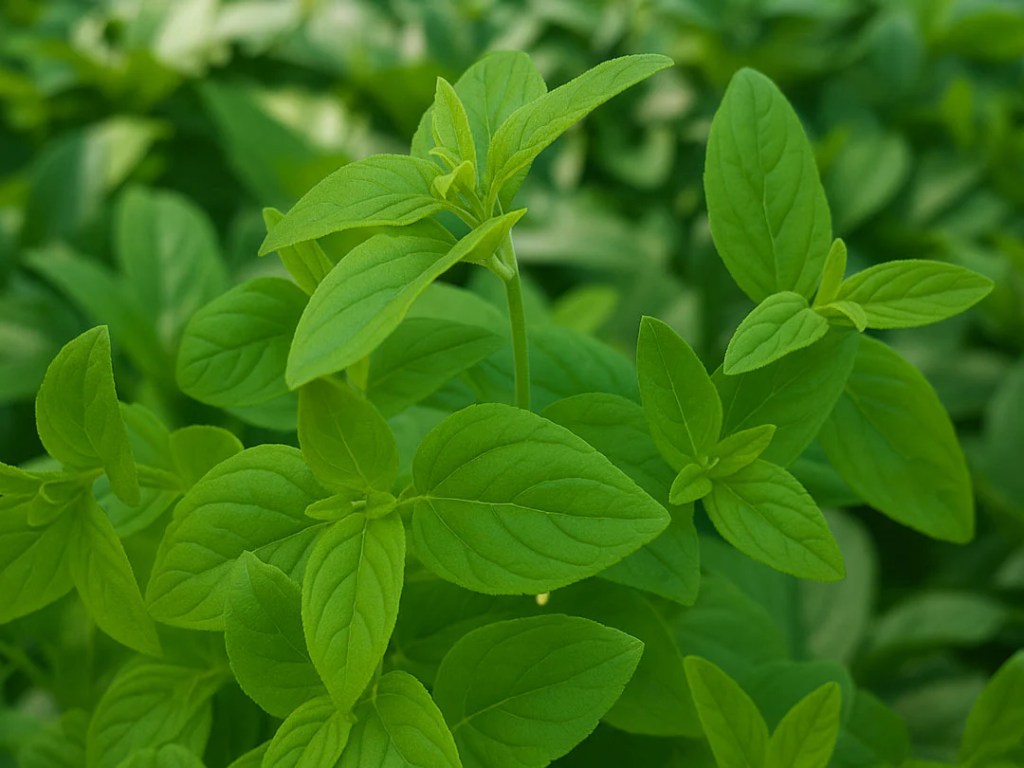
Native River Mint | Mentha australis
| Size of Plant: Spreading perennial herb, approximately 20 to 80 cm tall Edible Part: Leaves Suggested use in cooking: Use the fresh leaves as a garnish, add them to sauces and salads, or brew a refreshing mint tea. Fun Fact: It readily spreads in moist ground, making it useful beside paths and in sheltered sensory gardens. Cultural and historical note: Aboriginal plant-use records describe the leaves being used as a food flavouring. River Mint grows naturally around watercourses and wetlands. |
|---|
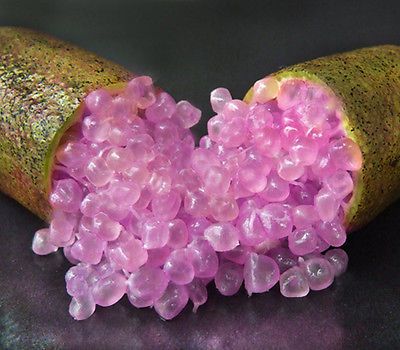
Finger Lime ‘Pink Ice’ | Citrus australasica ‘Pink Ice’
| Size of Plant: Small native citrus shrub or tree Edible Part: Ripe fruit pulp Suggested use in cooking: Squeeze the citrus pearls from ripe fruit and use them to garnish seafood, salads, desserts and drinks, or add them to sauces for a tangy burst of flavour. Fun Fact: The fruit contains separate, caviar-like juice pearls, ranging from clear to pink in ‘Pink Ice’. Cultural and historical note: Finger Lime is an Australian rainforest citrus. ‘Pink Ice’ is a cultivated selection that brings a native citrus flavour and distinctive texture to contemporary cooking. |
|---|

Mountain Pepper | Tasmannia lanceolata
| Size of Plant: Evergreen shrub Edible Part: Leaves and ripe berries from female plants Suggested use in cooking: Use small amounts of the fresh or dried leaves as a peppery seasoning. Dried ripe berries can also be ground for sauces, marinades and savoury dishes. Fun Fact: Separate male and female plants produce flowers, and berries develop on female plants after pollination. Cultural and historical note: Australian plant-use references record Mountain Pepper leaves and fruit as food. Today they are valued as distinctive native seasonings. |
|---|


