
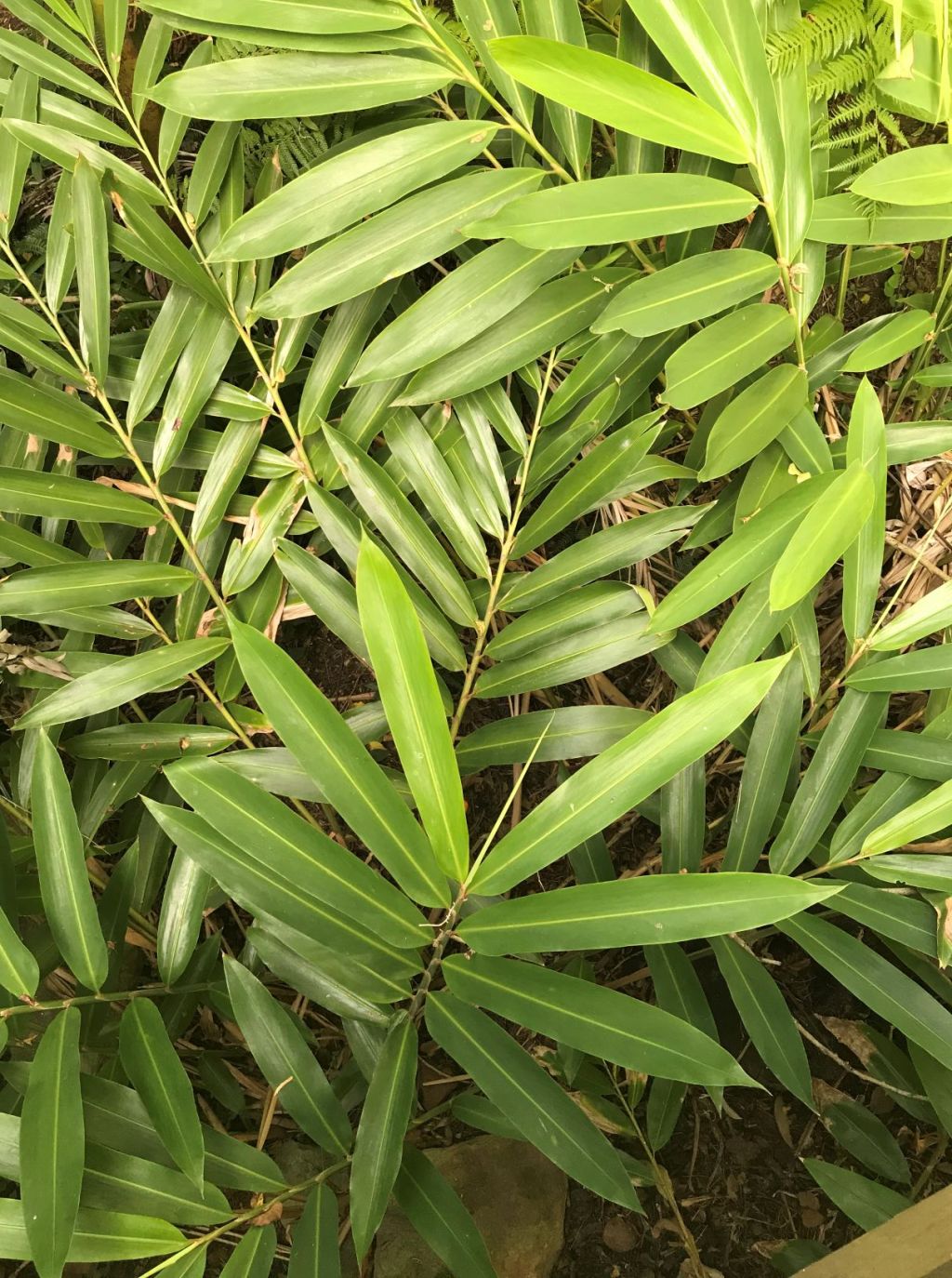
Native Ginger | Alpinia caerulea
| Size of Plant: Clumping perennial herb, growing up to 3 m tall Edible Part: Young rhizome tips and the white pulp inside ripe blue fruit Suggested use in cooking: Use the tender growing tips of the rhizomes as a mild ginger substitute in cooked dishes. Peel ripe blue fruit to reach the tangy white pulp around the seeds. Fun Fact: Despite its name, its flavour is milder than kitchen ginger. Large leaves can also be used to wrap food for cooking. Cultural and historical note: Native Ginger is an Australian rainforest food plant with edible rhizome tips and fruit pulp. Its broad leaves also provide a sheltered microclimate for frogs and material for leaf-cutter bees. |
|---|
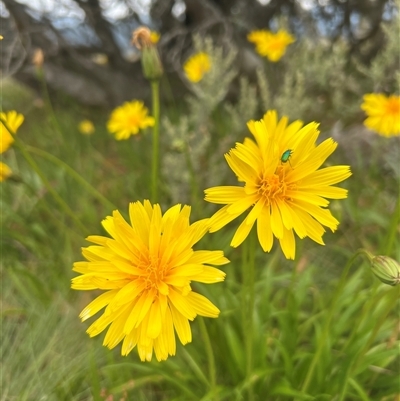
Murnong / Yam Daisy | Microseris walteri
| Size of Plant: Small tufted perennial with yellow daisy flowers Edible Part: Underground tubers Suggested use in cooking: Roast or steam the tubers for their mild, sweet flavour. Fun Fact: The bright yellow flowers grow above a rosette of leaves, while the food harvest develops underground. Cultural and historical note: Murnong was an important staple food for Aboriginal peoples of south-eastern Australia. Its tubers were carefully harvested and cultivated, making it a valuable plant for learning about food, Country and cultural knowledge. |
|---|
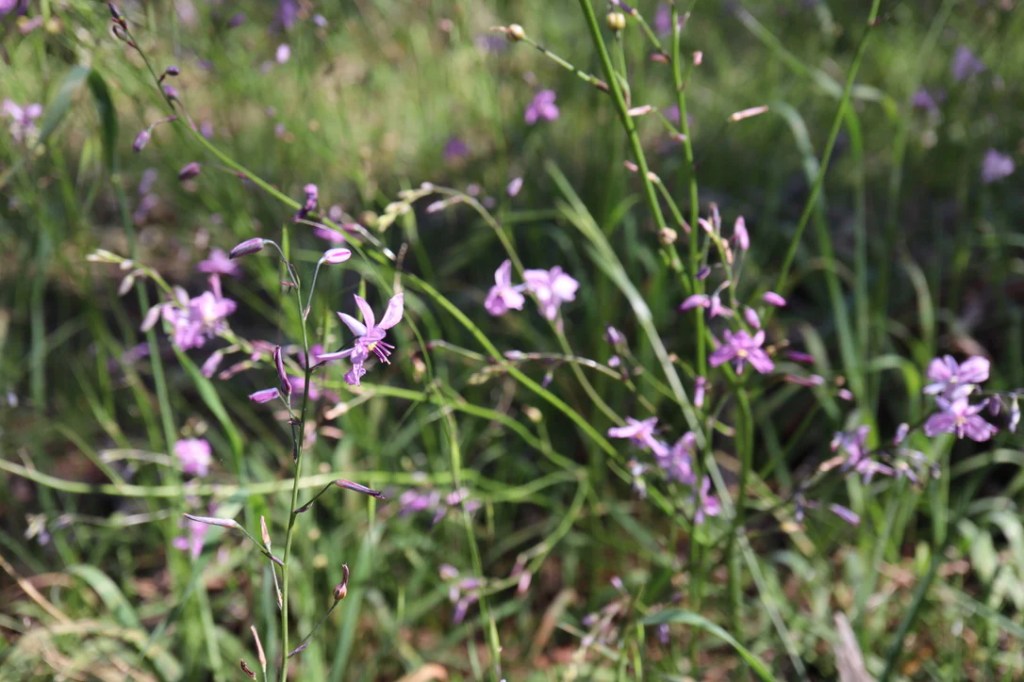
Chocolate Lily | Arthropodium strictum
| Size of Plant: Tufted perennial with grass-like leaves and upright flower stems Edible Part: Tubers, cooked Suggested use in cooking: Roast cultivated tubers before eating for their mild, nutty flavour. Leave some tubers to regrow after harvesting. Fun Fact: The mauve flowers have a distinctive chocolate scent. Cultural and historical note: Wurundjeri Woi-wurrung and Bunurong knowledge shared with the City of Melbourne describes roasting the tubers and maintaining the plant through careful harvesting and replanting. |
|---|
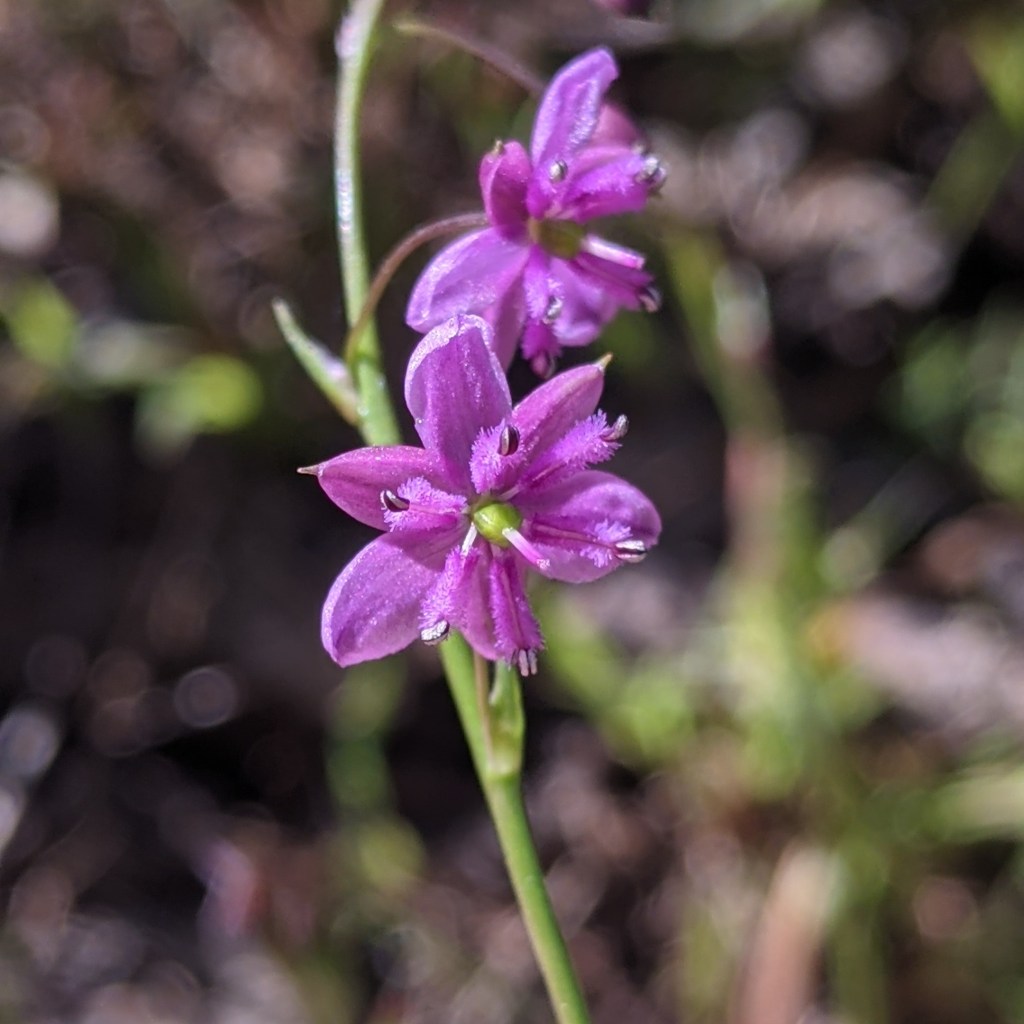
Small Vanilla-Lily | Arthropodium minus
| Size of Plant: Small tufted perennial, up to approximately 50 cm tall Edible Part: Underground tubers Suggested use in cooking: Cook cultivated tubers as a small root vegetable, for example by roasting. Harvest from plants grown for food, leaving some tubers to regrow. Fun Fact: Its fine, grass-like leaves may wither before the delicate mauve flowers appear. Cultural and historical note: Australian National Botanic Gardens plant-use records describe the edible tubers of Small Vanilla-Lily and related native lilies. These plants offer a connection to Aboriginal food knowledge and the underground harvest of grasslands and woodlands. |
|---|
Photo: B 897, CC BY-SA 4.0, via Wikimedia Commons. Display cropped to fit.


