
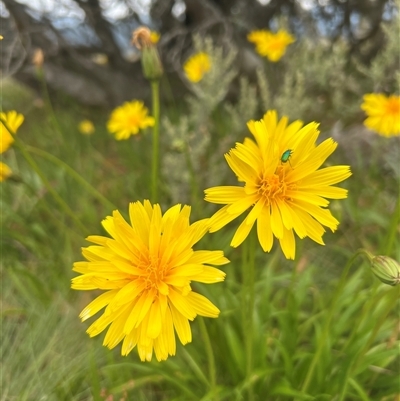
Murnong Daisy (Yam Daisy)| Microseris walteri
| Size of Plant: Tufted perennial, prostrate to 40cm tall. Edible Part: Tubers Suggested use in cooking: Nutty, sweet taste. Roasted or steamed. Fun Fact: A prized bush food with tubers sweeter than your average spud! Traditional Use: A staple food for Aboriginal peoples in southeastern Australia, with its energy-rich tubers eaten raw or cooked. The plant also played a cultural role, with its flowers potentially signaling the presence of game animals like bandicoots. It was a vital, widespread, and easily cultivated food source that became scarce after the introduction of livestock, but efforts are underway to revive its cultivation and cultural importance. |
|---|
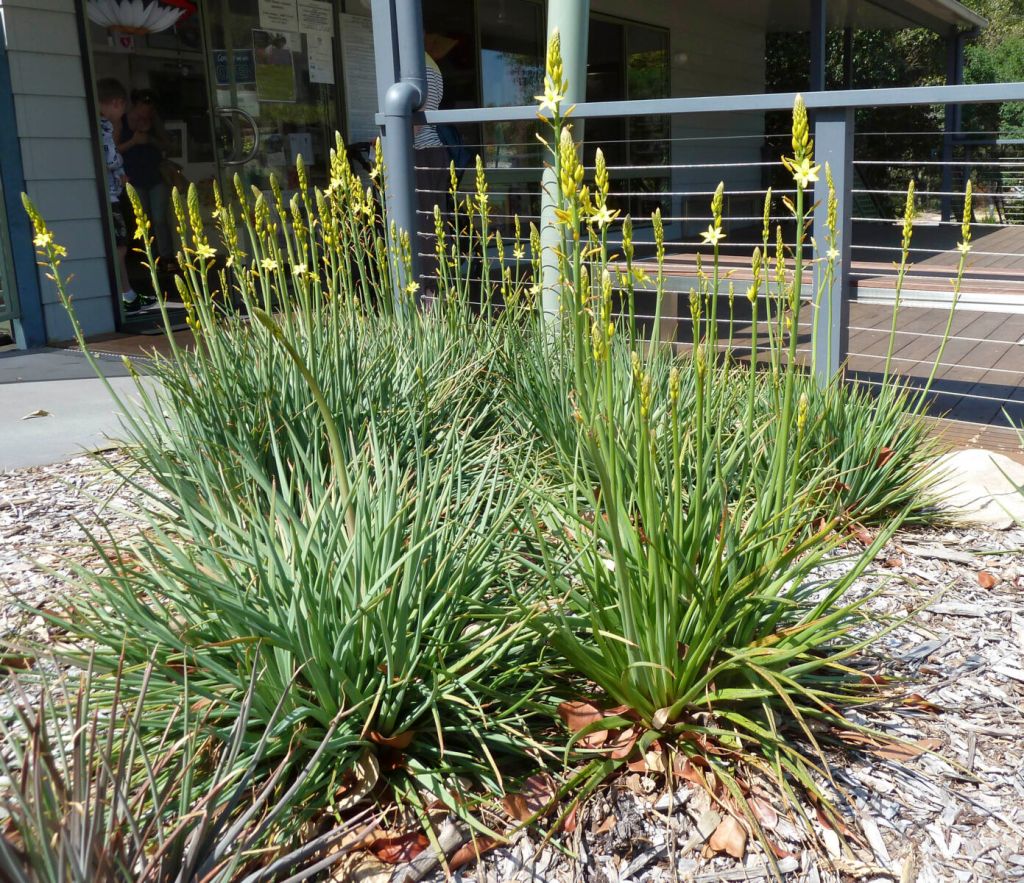
Bulbine Lily | Bulbine bulbosa
| Size of Plant: clumping perennial plant that typically grows to a height and width of about 30-70 cm Edible Part: Tubers. Suggested use in cooking: Sweet, mild taste. Tubers roasted. Fun Fact: Bulbine’s roots are roasted like nature’s tiny sweet potatoes. Traditional Use: primarily as a food source, with Indigenous Australians roasting the nutritious, calcium- and iron-rich corms. Other uses included making a sweet drink from the flower spikes, eating the soft leaf bases and flower stem growing points, and utilizing the flower stems to create a drill for making fire. Additionally, the plant’s resin was used as a glue for making weapons. |
|---|
 Home
Home 